Working hours: Monday-Saturday: 08:00-18:00, Sunday: closed
 +995 599 48 48 44
 info@medindex.ge
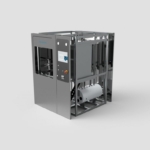
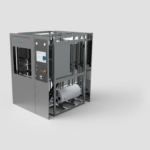
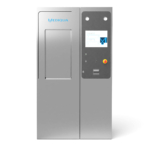
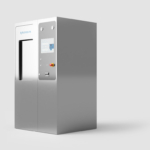
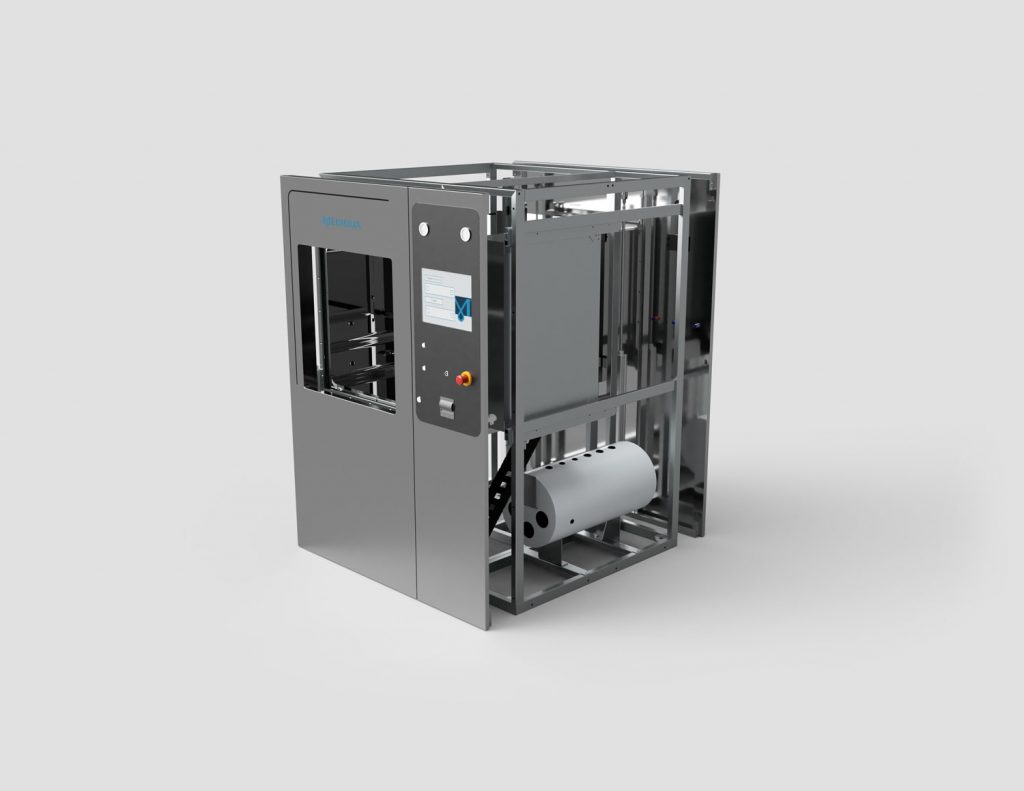
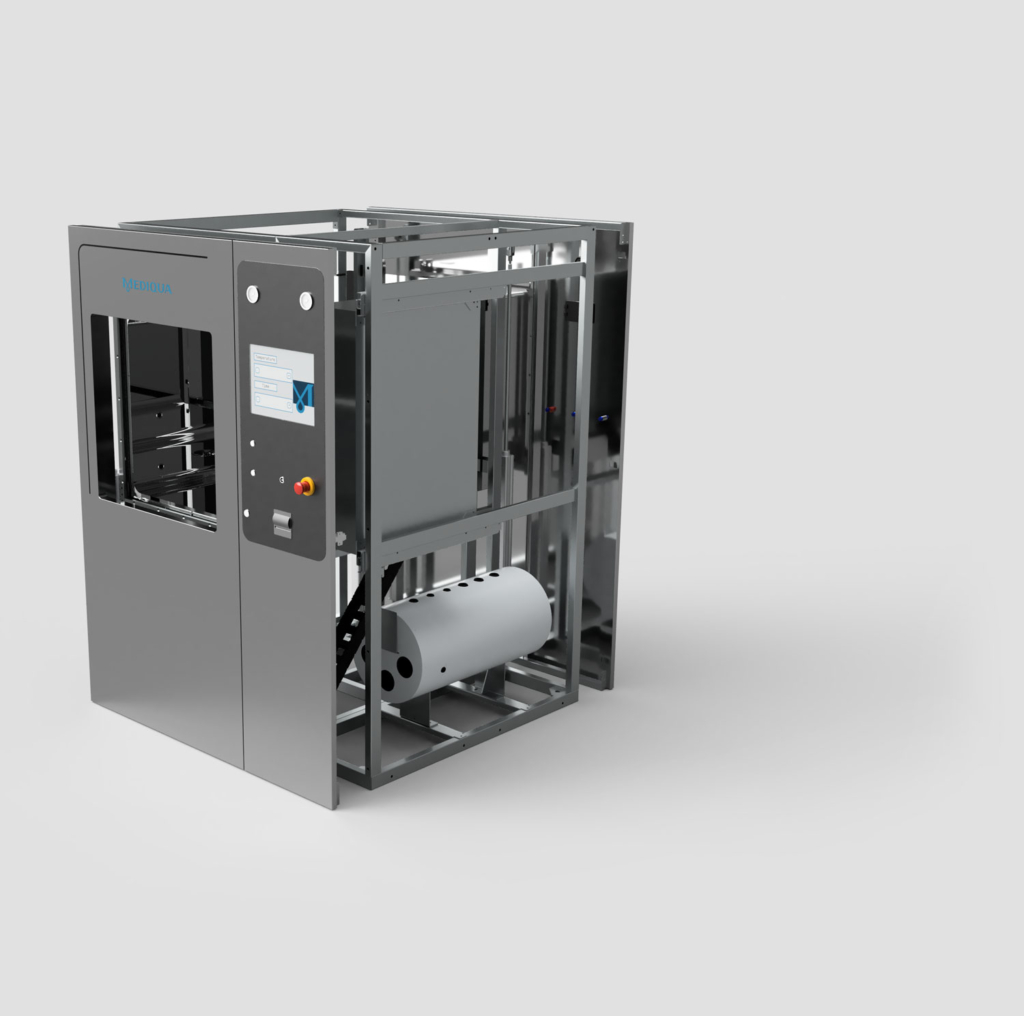
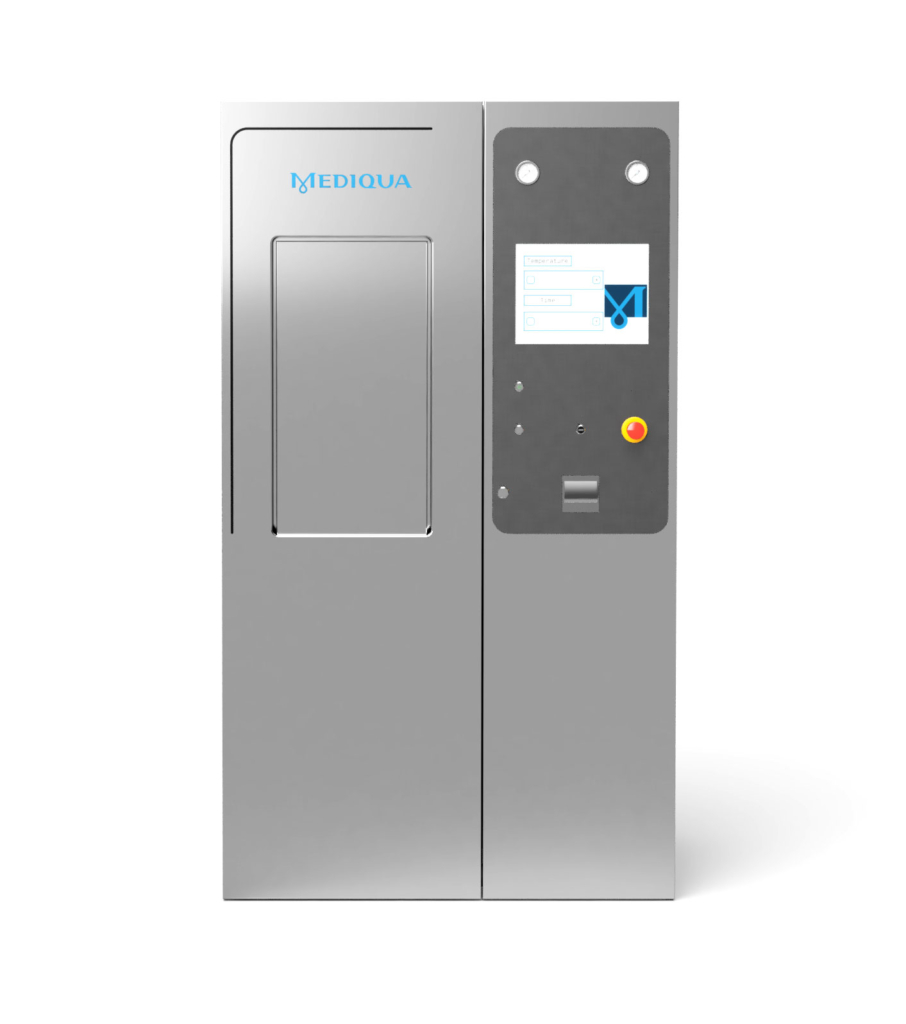
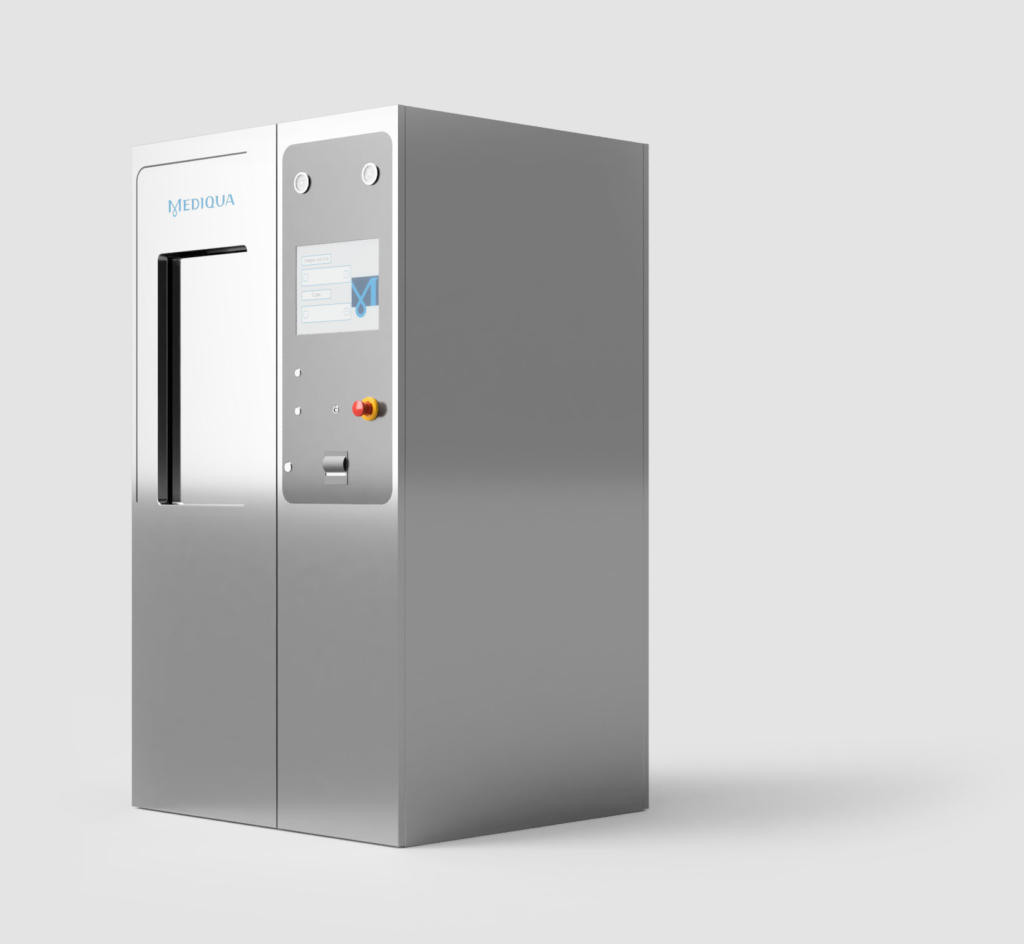
High-temperature steam sterilizer for hospital CSSD departments, with a touchscreen.
We will be happy to give you a personal consultation and look forward to your request
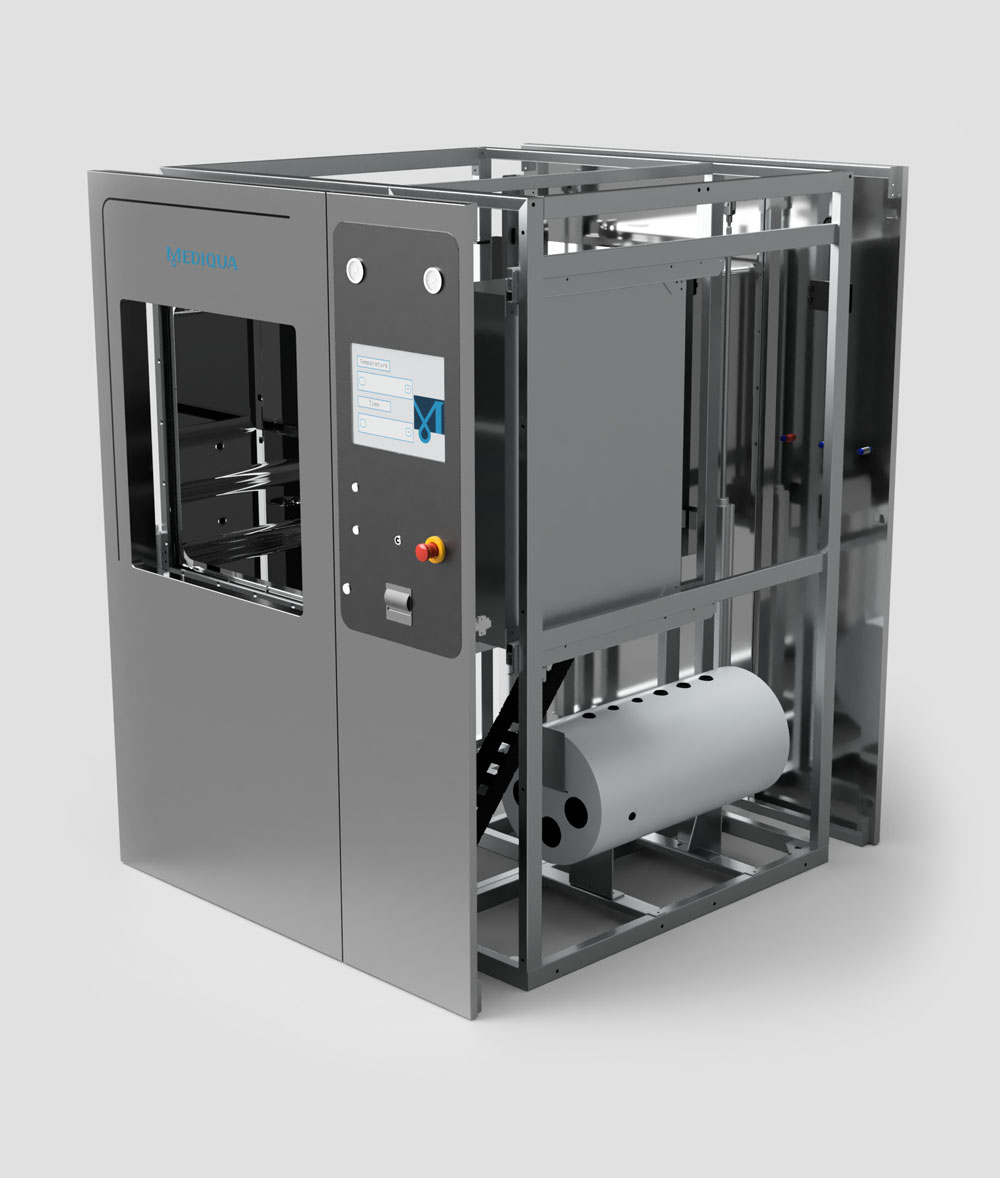
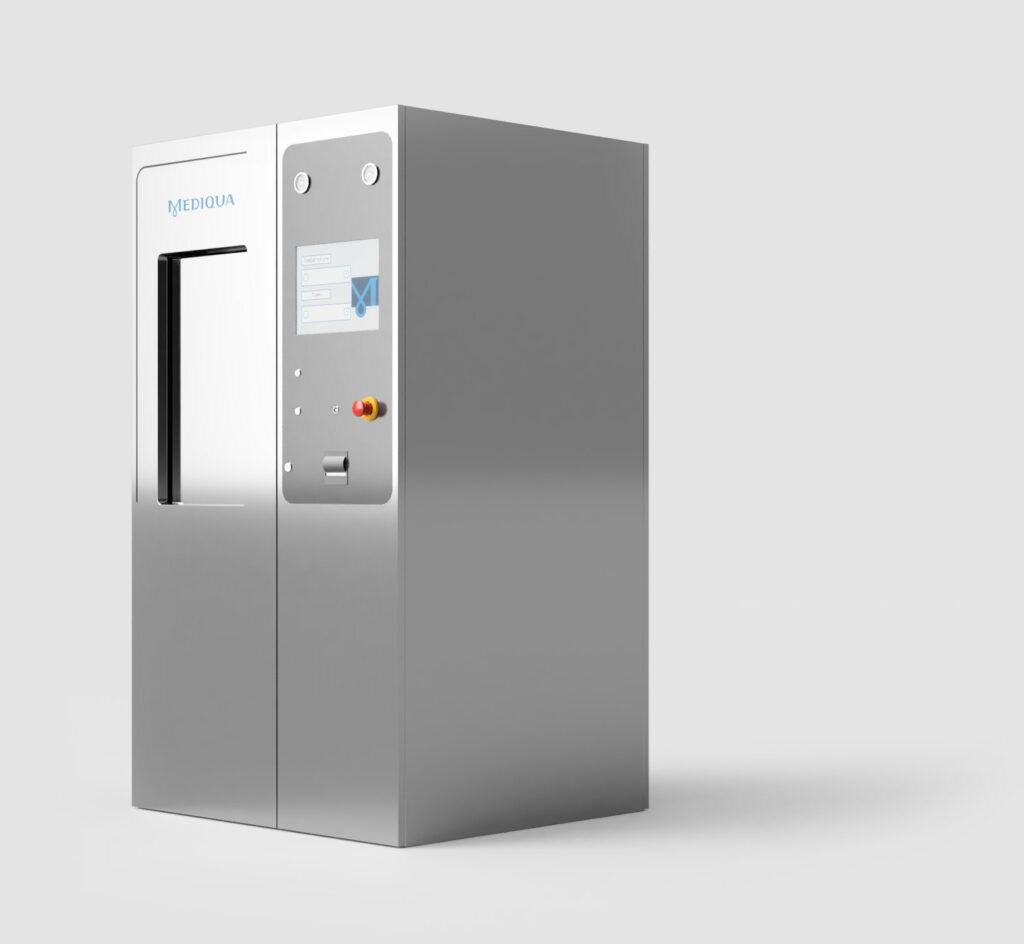
The iCanSteam steam sterilizers are designed for a simple and effective operator experience thanks to a user-friendly touch-screen interface. They are intended for hospital Central Sterile Services Departments (CSSD) and can be supplied with steam from an integrated electric generator, from clean steam provided by the client (direct), or from a generator heated by heat exchange with the facility’s steam (indirect).
Several safety devices make the machine reliable: door closing stops when an obstacle is detected, the two doors of double-door models cannot be opened at the same time to avoid cross-contamination, and the door opens only at atmospheric pressure. Redundant temperature sensors refer to two separate control boards.
Data for every cycle is recorded and printed (100,000+ cycles, exportable via USB); operators can be tracked by barcode, and the system is compatible with the main tracking systems on the market. An automatic start with pre-heating and an energy-saving mode are available. The chamber is AISI 316L stainless steel and complies with PED 2014/68/EU.
| Control display | 15" capacitive multitouch, 4:3, 1024 x 768 px, 178° |
|---|---|
| Unloading-side display (double-door) | 5" capacitive multitouch, 800 x 480 px |
| Chamber material | AISI 316L (AISI 316Ti on request) |
| Panels and frame | AISI 304 (AISI 316L on request) |
| Steam supply | Electric generator / direct steam / indirect steam |
| Vacuum pump | Liquid ring (dry vacuum pump optional) |
| External surface temperature | < 45 °C |
| Cycle memory | 100,000+ cycles, USB export |
| Operating system | PC Windows 10 |
| Door | Automatic vertical / horizontal, pneumatic / electric |
| Compliance | PED 2014/68/EU, CE, Bureau Veritas, ISO 9001, ISO 13485 |

iCanSteam steam sterilizers are designed for a simple and efficient operator experience, thanks to a user-friendly touchscreen interface.
Sterilizers can be supplied with a built-in electric steam generator, clean steam provided by the customer (direct), or a built-in generator heated by heat exchange with the building’s plant steam (indirect).
The unit is equipped with several safety devices that make it extremely reliable: door closing stops if an obstacle is detected; on double-door models, both doors are prevented from opening at the same time to avoid cross-contamination; and the door can only be opened at atmospheric pressure. Redundant temperature sensors on two separate control boards ensure constant sterilizer effectiveness.
Information from every cycle is stored and printed. A traceability system for operators can be installed, with a barcode and personal password for each operator. The system is compatible with the main traceability systems on the market.
Automatic start can be programmed, with a warm-up cycle and test cycles run before operators arrive.
An energy saving system (for both water and electricity) is available on the generator, putting the sterilizer into standby mode — with full cool-down or partial consumption reduction — allowing the unit to restart a cycle quickly.
For steam production, you can choose between an electric steam generator (operating with electric heating elements) and a heat-exchange steam generator, where steam is produced by heat exchange with steam supplied by the customer, if plant steam is unsuitable for direct use.
Panels and frame are made of AISI 304 stainless steel (AISI 316L on request).
A liquid ring vacuum pump that ensures efficiency and performance, with high and stable vacuum levels. An innovative dry vacuum pump is also optional, reducing water consumption since the pump runs on oil.
The sterilization cycle is controlled by a controller (PC) and a master/slave system — two electronic control boards with microprocessors, developed by Mediqua, each managing an independent system of pressure and temperature sensors.
It allows deep customization and remote support for the customer. Reliable hardware ensures optimal operation even at high temperatures.
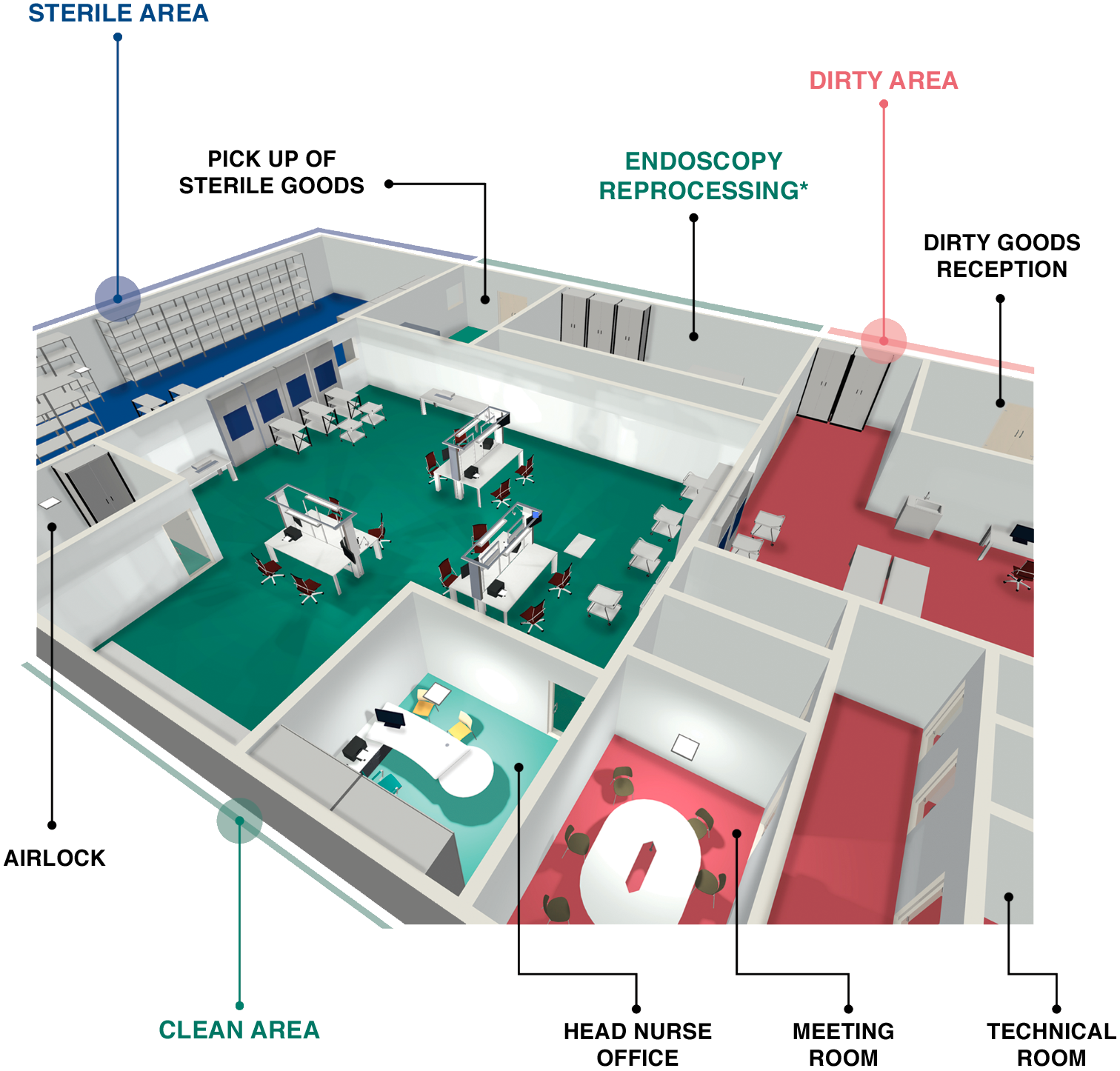
Best practice within a CSSD is to divide the area into three well-separated zones: dirty zone, clean zone, sterile zone. Processed instruments follow a precise flow from one zone to the next, with pass-through machines for disinfection and sterilization. However, where space and organization do not allow two separate zones, a single zone can still be set up with single-door machines.
The control panel is covered with composite carbon fiber material for a pleasant and unique effect.
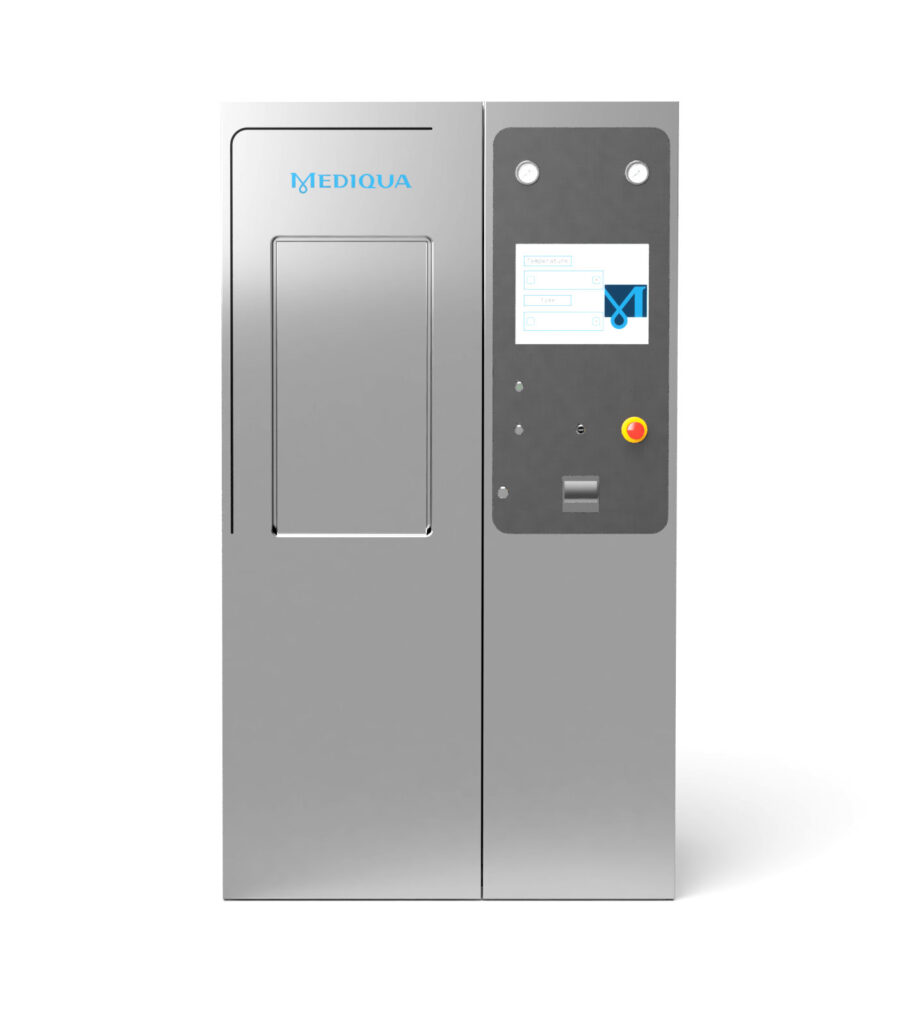
A 15-inch capacitive multi-touch screen with a 4:3 aspect ratio that responds perfectly even with gloves, with 1024×768 pixel resolution and a 178° viewing angle, giving the operator a perfectly readable screen from any position without loss of contrast or color. On double-door sterilizers, a 5-inch capacitive multi-touch screen (800×480 pixels) is additionally installed on the unloading side.
Analog reading of chamber pressure with manometers.
Automatic vertical/horizontal door with pneumatic or electric control. The door and all outer surfaces are covered with insulating material to keep the external temperature below 45°C, protecting the operator.
Almost unlimited cycle storage (100,000+), with data export via USB inserted in the front panel.
A red mushroom-shaped emergency button with light and sound signals that can stop the unit immediately, automatically reaching a safe state.
The outer surface is treated with a “Scotch Brite” brushed finish for perfect cleaning.
Best practice within a CSSD is to divide the area into three well-separated zones, each connected to the next with pass-through machines for disinfection and sterilization.
This is where all instruments and used devices arrive from various departments and operating theaters, to be reprocessed for reuse. Transfer to the clean zone takes place after the disinfection process; manual pre-washing and ultrasonic treatment may also be required.
After washing and automatic disinfection, items are safe to handle, but they are not yet sterile. In the clean zone, instruments coming out of the disinfectors are packaged to be prepared for the next process in the sterilizer.
In some centers, this zone is separated from the rest. It houses machines that provide high-level disinfection or, in Mediqua’s case, endoscope sterilization.
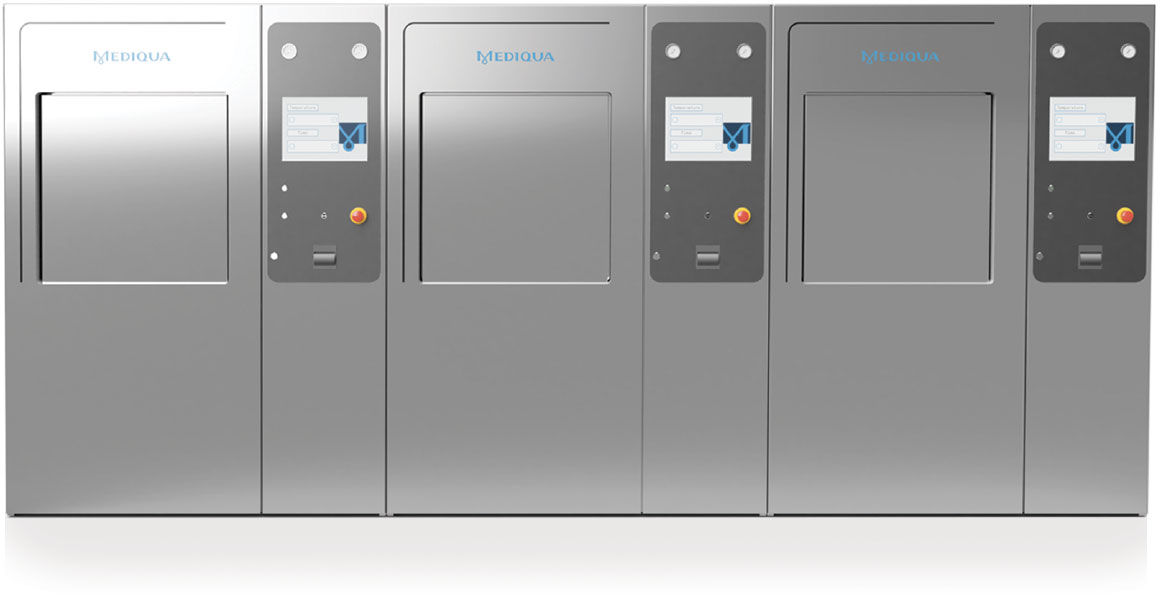
After the sterilization process, instruments are ready to be passed immediately to the point of use, or stored until use.
The sterilization chamber and steam jacket are built for durability and constant thermal performance, complete with internal and external movement systems.