Working hours: Monday-Saturday: 08:00-18:00, Sunday: closed
 +995 599 48 48 44
 info@medindex.ge
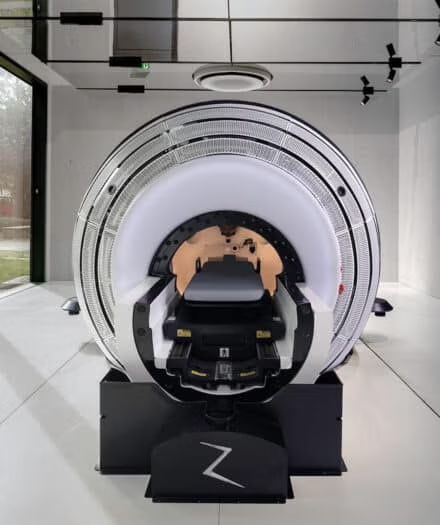
The only vault-free stereotactic radiosurgery system for brain tumors, lesions and head and neck pathologies.
We will be happy to give you a personal consultation and look forward to your request
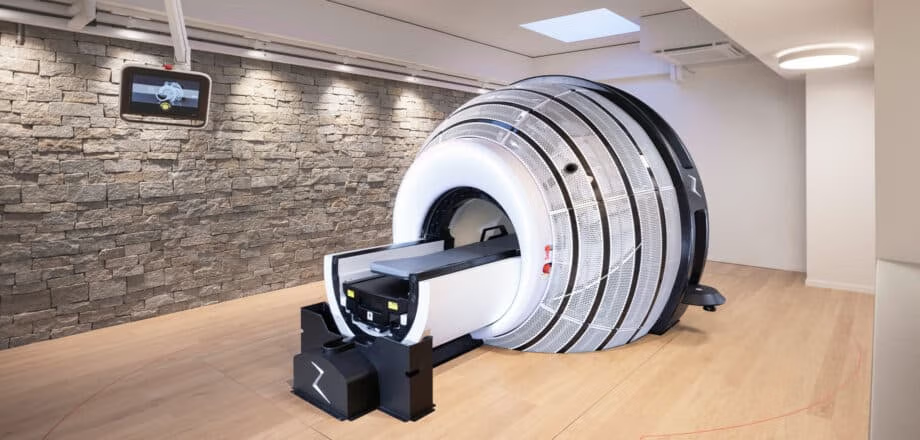
ZAP-X Gyroscopic Radiosurgery is a platform built for streamlined stereotactic radiosurgery (SRS) of brain tumours, lesions and other conditions of the head and neck. It is the first and only vault-free SRS delivery system, removing the need for a shielded radiation bunker of dense concrete and steel. It also uses no cobalt: a modern 1500MU/min linear accelerator eliminates periodic replacement of radioactive sources.
Dual independent gantries give a spherical workspace and more than 1000 non-coplanar beam angles as routine practice. A tungsten-shielded circular collimation system lowers leakage to less than 0.002% of the primary beam; a 3 MV beam (approximately equivalent to Co-60’s 1.25 MeV) reduces scatter, and a 45 cm source-axis distance (SAD) reduces beam penumbra by about 50%.
ZAP-X was FDA cleared in 2017 and treated its first patients in 2019. The platform lets SRS centres open in existing hospital space, suburban and rural hospitals and outpatient settings.
| Treatment type | Stereotactic radiosurgery (SRS), head and neck |
|---|---|
| Protection | Vault-free (no radiation bunker) |
| Source | Linear accelerator, 1500 MU/min (no cobalt) |
| Beam energy | 3 MV |
| Source-axis distance (SAD) | 45 cm |
| Beam angles | >1000 non-coplanar |
| Leakage | < 0.002% of primary beam |
| Collimator | Tungsten-shielded circular |
| Gantry | Dual independent gantries |
| Regulation | FDA cleared 2017; first patients 2019 |
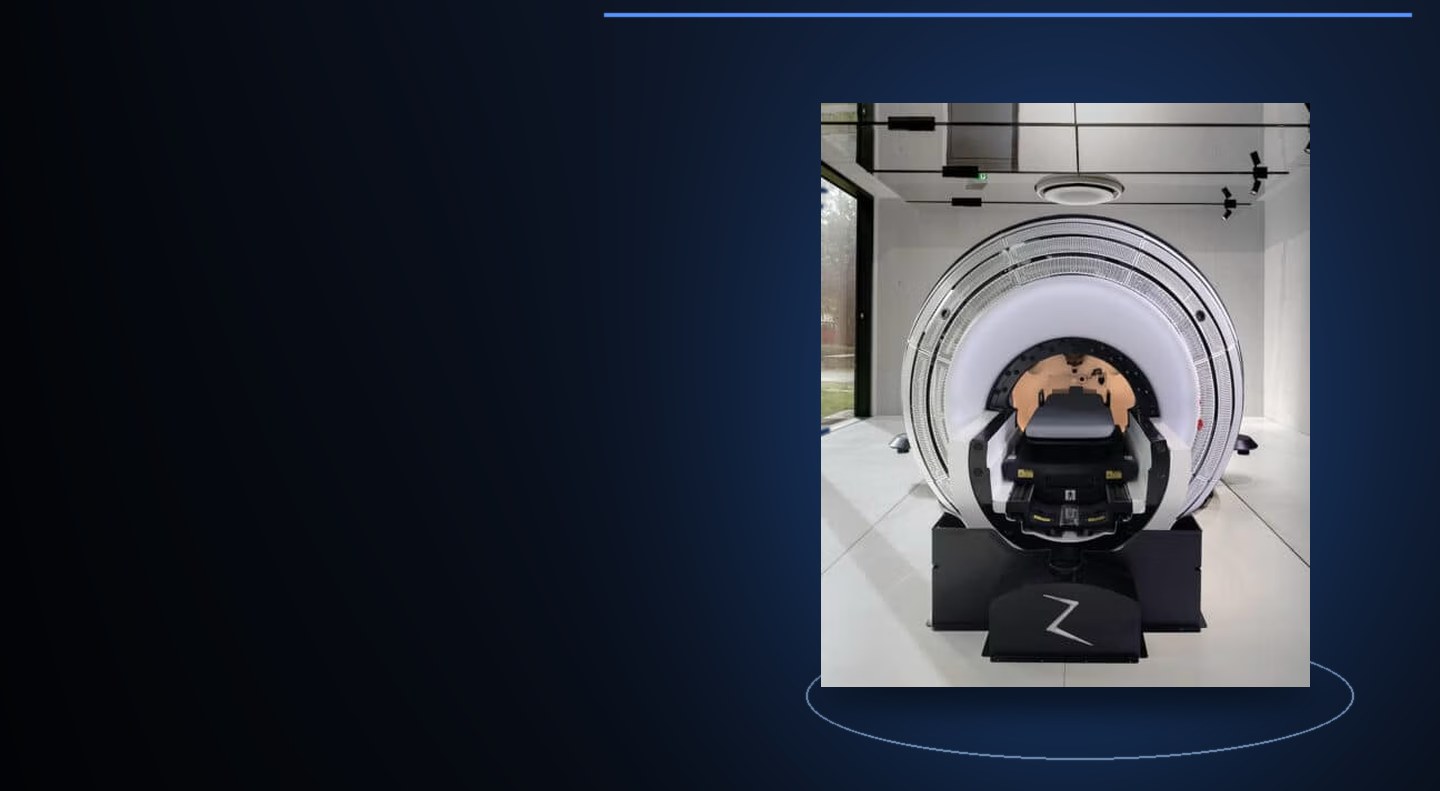
ZAP-X eliminates the two largest cost drivers of conventional radiosurgery platforms, enabling a lower total cost of ownership anywhere.
Eliminates the need for 2-3 million pounds of concrete and metal construction, saving over $1 million in building costs.
Uses a modern 1500 MU/min linear accelerator, eliminating the recurring replacement cost of a radioactive source, approximately $1 million.
A small footprint and no need for a shielded room reduce long-term operating costs compared with cobalt-based and multipurpose platforms.
Four engineering innovations work together to minimize healthy tissue dose and maximize the accuracy of every treatment.
Two independent gantries provide over 1000 unique non-coplanar beam angles.
Tungsten-shielded circular collimation limits leakage to 0.002%, compared with 3.00% on multipurpose platforms.
A 3 MV beam, equivalent to the 1.25 MeV of Co-60, reduces non-therapeutic dose to surrounding structures.
A 45 cm source-axis distance (SAD) reduces penumbra by approximately 50% compared with the 100 cm SAD used on full-body platforms.
ZAP-X’s compact, vault-free footprint makes radiosurgery accessible in settings where it was previously impossible.
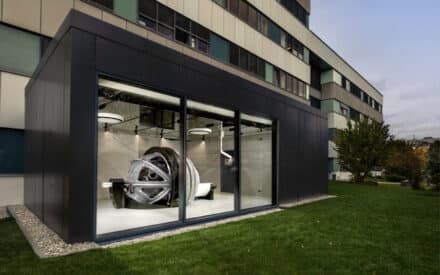
Creative department expansions, including lobby and meeting room conversions.
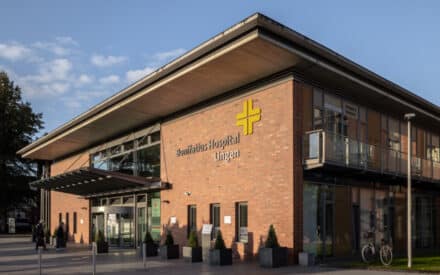
Elite radiosurgery in suburban and rural community hospitals.

The possibility of a new outpatient treatment setting.
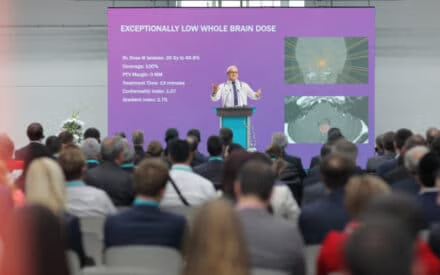
Creates platforms for leadership by the field’s leading experts.
From densely populated urban oncology centers to rural community hospitals, ZAP-X programs are expanding access to radiosurgery worldwide.
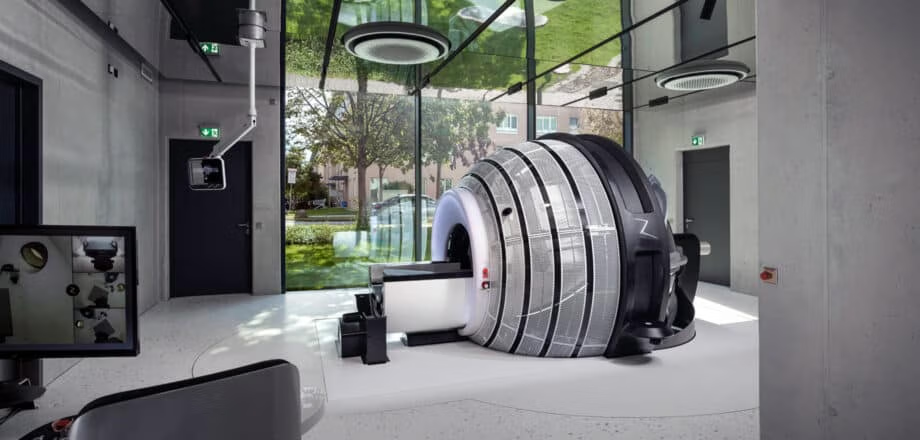
“An impressive floor-to-ceiling glass treatment unit that simply extended beyond the perimeter of the original building,” said Medical Director Prof. Dr. Alexander Muacevic.
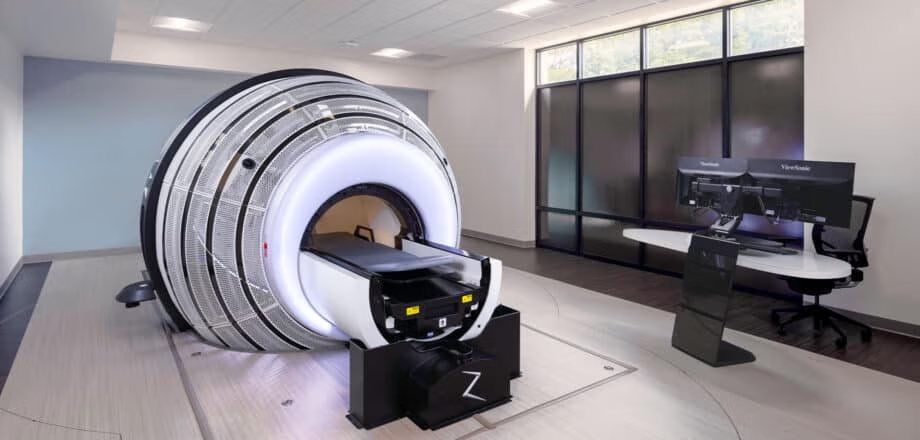
Expanded advanced SRS treatment to a suburban satellite location, improving patient access and reducing care costs beyond the large urban hospital in central Washington.
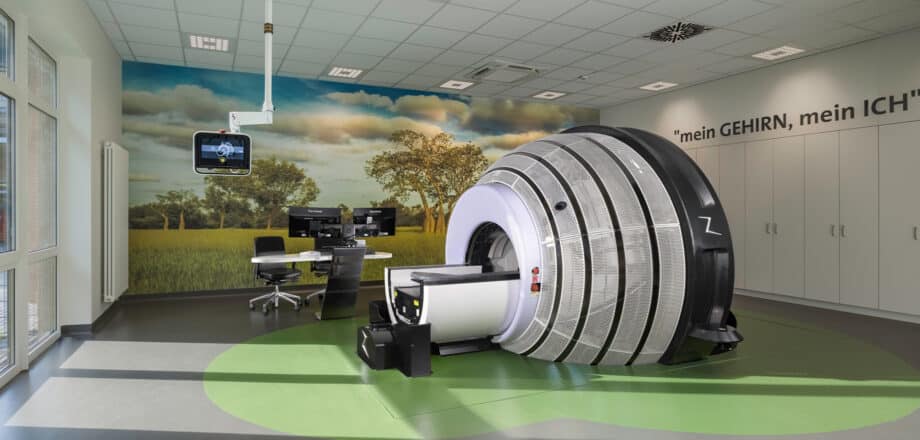
Brought world-class radiosurgery to the local community; before ZAP-X, the nearest SRS center was more than 2.5 hours away.
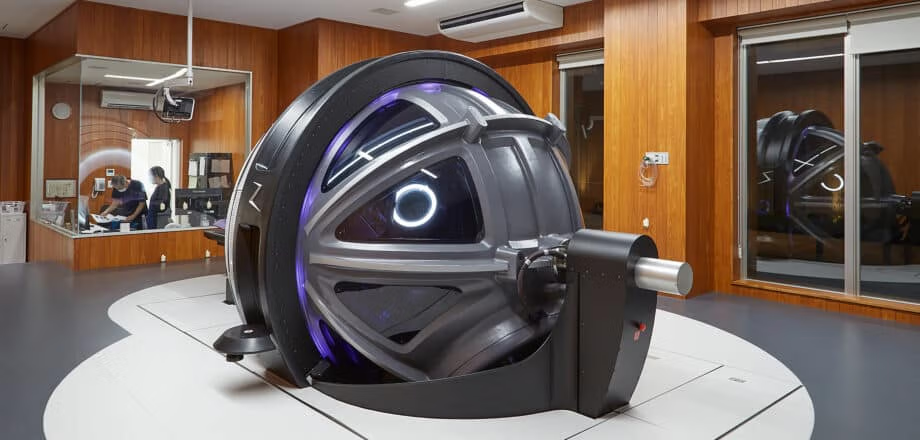
Operates in the Utsunomiya mainline railway station complex, offering SRS treatment without entering a congested city center or a distant hospital.
Launched the ZAP-X program after being unable to source or house live radioactive Co-60 sources amid tightening local regulations.
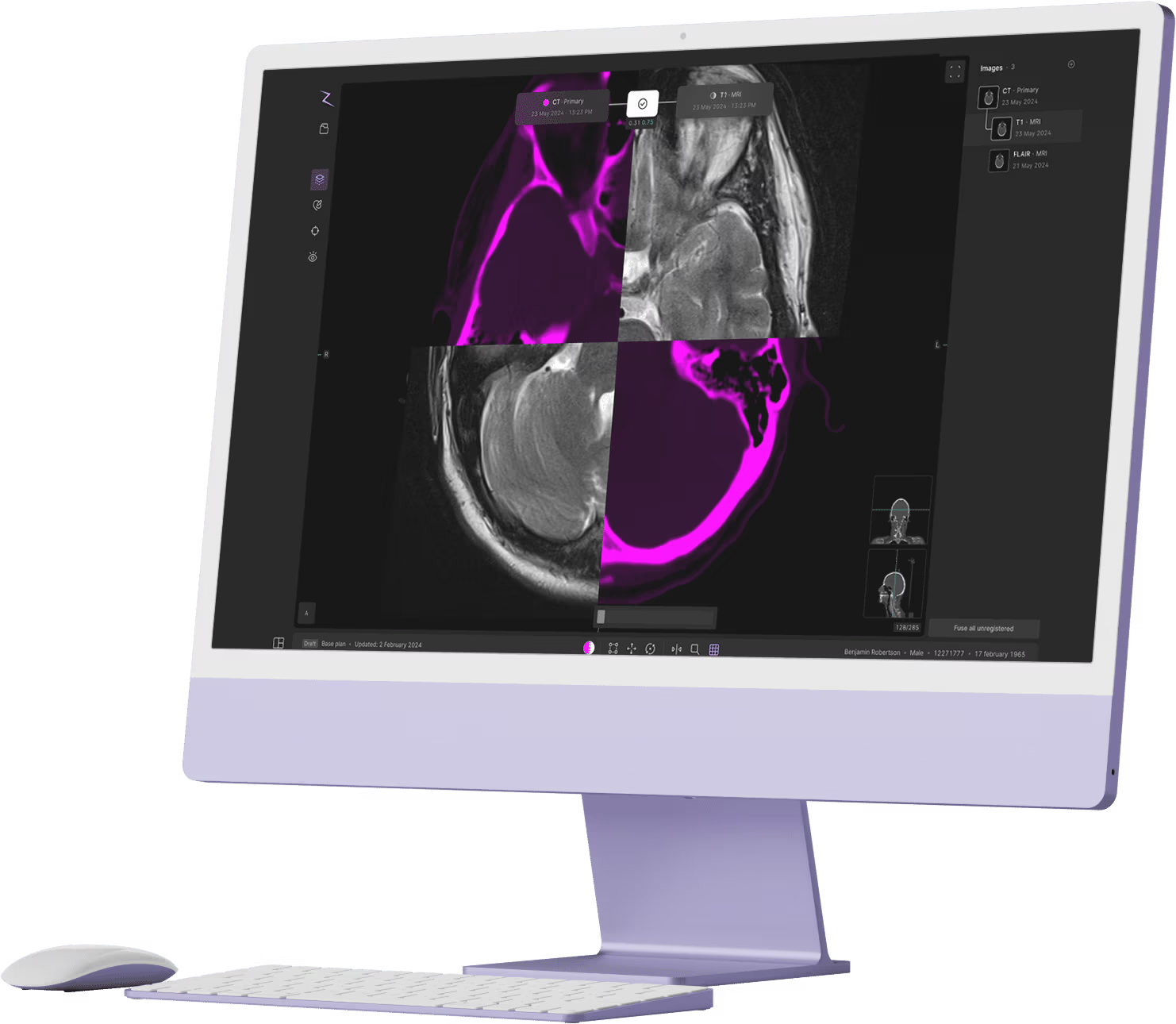
A completely new generation of ZAP-X treatment planning delivers end-to-end functionality, seamlessly integrating fusion, contouring, planning and optimization, evaluation and approval. The modern, user-friendly interface is tailored specifically to cranial SRS indications, while the innovative Krylov quadratic optimizer cuts plan optimization time from the usual 20 minutes to 30-45 seconds, with parallel comparison of alternative plans, dose distributions, DVHs, isocenter placement and collimators.
A documentary following one of the first patients treated with the ZAP-X gyroscopic radiosurgery system.